







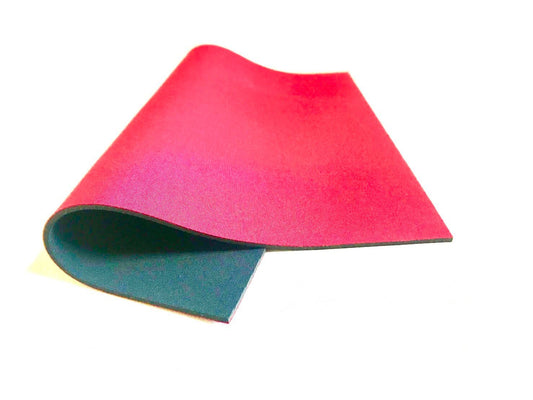
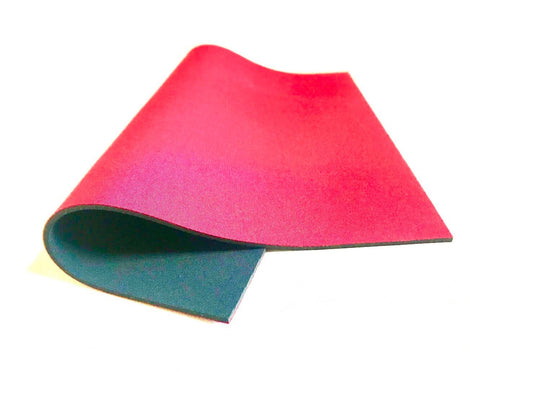


Check stretch and recovery
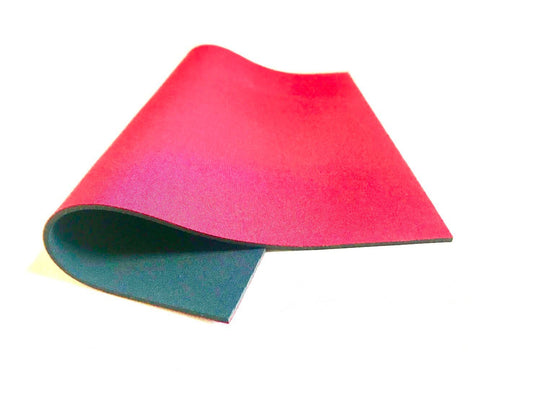
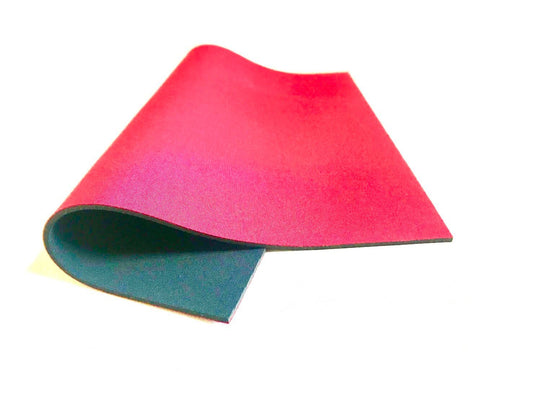
We check how far the fabric stretches, which directions it stretches in, and how well it returns to its original shape.

REPAIR FACTORY / NEOPRENE MATERIALS
We cut the fabric—which we’ve inspected firsthand at the workshop—to the size you need.
We offer fair prices by cutting out middleman costs, and our artisans will also guide you in selecting the right materials.
We sell neoprene fabric used in our specialist wetsuit repair workshop as small sheets, assorted offcuts, and full-size sheets.
Choose from 2mm, 3mm, and 5mm thicknesses, double-sided jersey, single-sided rubber, brushed fabric, and more—whether for repairs, prototyping, handmade projects, cases, protective materials, wetsuit manufacturing, or commercial use.
If you're unsure whether the damage can be repaired or if you should just buy new fabric, please send us a photo of the damaged area via LINE. One of our craftsmen, who repairs wetsuits every day, will assess the condition.
REPAIR FACTORY × MATERIAL KNOWLEDGE
Even when neoprene is the same thickness, it differs in how it stretches, how it recovers, its surface finish, and how well it bonds with adhesives. Because we see wetsuit tears, peeling, and water leaks every day, we don’t choose materials based on numbers alone.
We eliminate middleman costs to deliver the value of our materials and expertise at a fair price.
We check how far the fabric stretches, which directions it stretches in, and how well it returns to its original shape.
With cutting and repairs in mind, we assess the condition of the foam layer and its compatibility with the adhesive.
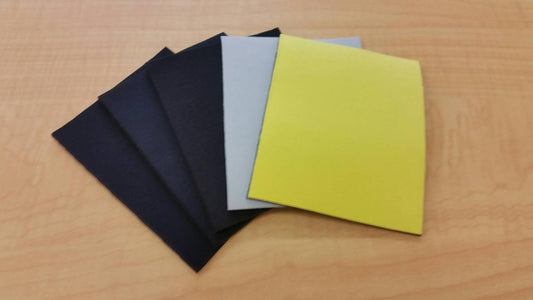
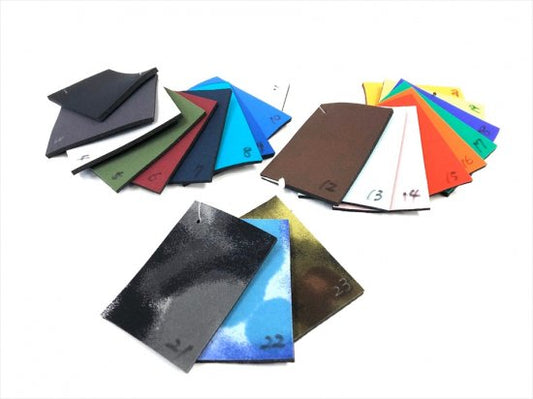
Jersey, rubber, and brushed fabric. Choose the finish that best suits your needs.
WETSUIT REPAIR FACTORY KNOWLEDGE
Neoprene (a fabric with a chloroprene rubber core) varies in stretch, texture, slip resistance, thermal insulation, and ease of processing depending not only on its thickness but also on its surface finish. Please confirm the intended use and required size before making your selection.
The 2mm option is flexible and ideal for small items and prototypes; the 3mm option is a standard choice that’s easy to work with; and the 5mm option is recommended for applications where insulation and cushioning are priorities.
Double-sided jersey is easy to handle, while rubber/jersey is ideal for those seeking grip on one side, and rubber/brushed fabric is suitable for those looking for warmth.
Choose offcuts or small sheets to check color and thickness, or full-size sheets for making products and commercial use. Check the required dimensions and direction of stretch before cutting.
For those wondering whether to get repairs done first or buy new fabric.
Depending on the nature of the tear or the extent of wear and tear, factory repairs may be a better option than patching with new fabric . Send us a photo, and our artisans will give you honest advice.
Wetsuits generally use fabric with a core made of chloroprene rubber foam and a surface finish made of jersey, rubber, or brushed fabric. Please check the thickness and surface finish for each product.
As a general guideline, choose a thinner material if ease of processing and flexibility are priorities, and a thicker one if thermal insulation and cushioning are priorities. The actual suitability depends on the application, shape, and surface finish.
Small cuts can be made with a sharp blade, but we recommend a rotary cutter and cutting mat for a clean edge. Check the direction of stretch before cutting, and avoid pulling the fabric out of shape.
Small areas where a glued edge has separated can sometimes be repaired with a specialist wetsuit adhesive. Extensive deterioration, missing material, seam damage, water leaks, and damage around zippers may be better handled by our workshop. Send us photos for advice before attempting a repair.
We offer fabric remnant assortments, sample packs, and color swatches. Since the colors, thicknesses, and shapes of the assortments vary, please check the terms and conditions on each product page.
*This does not guarantee suitability for a specific application or water resistance. The performance of the finished product depends on factors such as design, adhesion, sewing, and seam treatment.